Games with a reason to think
Every chapter of a story game is a mini-game built around a real skill: times tables, spelling, reading and logic. Best for ages 8 to 10 today, with easier and harder levels on the way.
What we believe
Thinking, not just tapping
Plenty of children's games reward fast tapping. Ours ask a question first: which answer is right, which letter comes next, which number fits.
The story gives them a reason to keep going. Every mini-game moves the story on, so practising feels like playing.
How it works with us
The mini-games
A taste of what's inside a story game.
What makes a game educational?
Lots of games call themselves educational. We think a game earns the word when the skill is the game, not a quiz bolted on the side. In ours:
- Every mini-game is built around a real skill: maths, spelling, reading or logic.
- Children have to think before they act, not just tap quickly.
- Right answers move the story on, so there's a reason to keep going.
- Each game is short, so it fits into a busy day.
Maths practice that doesn't feel like homework
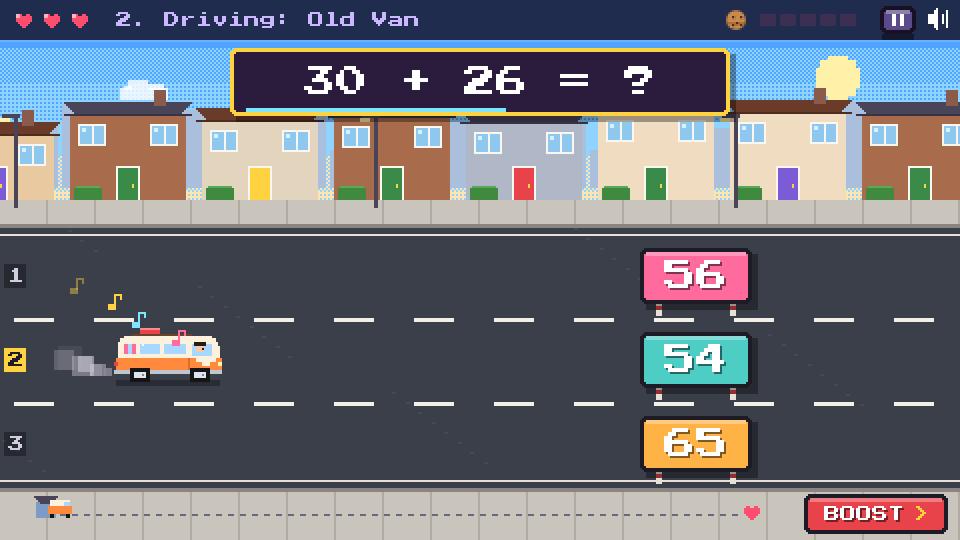
In driving maths, children steer into the right answer before the road runs out. It's quick-fire practice of the number facts and times tables they meet at school, wrapped in a story they want to finish.
Spelling, reading and logic
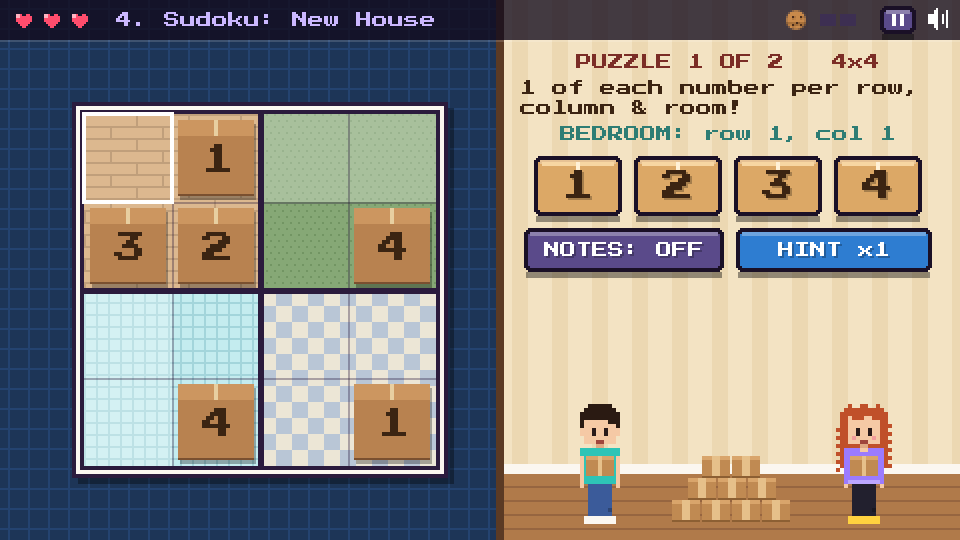
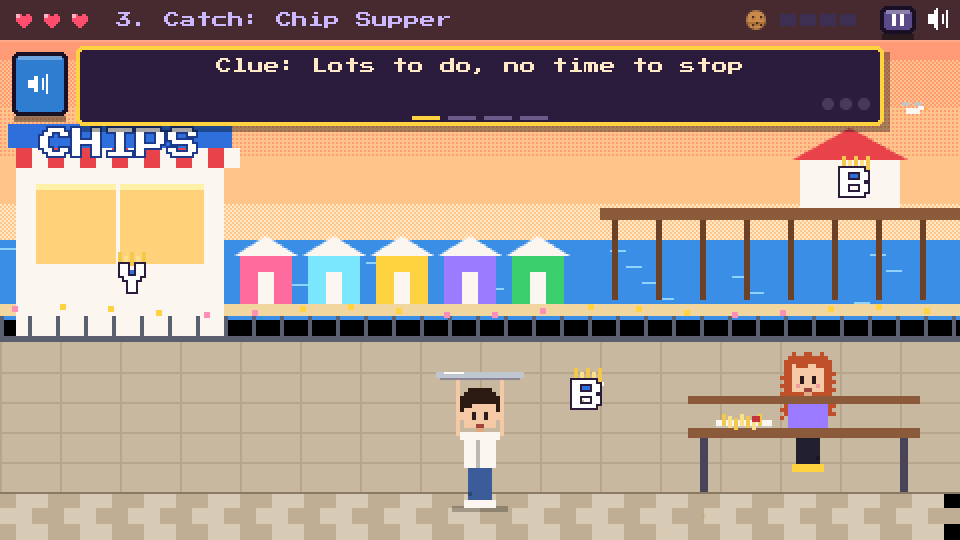
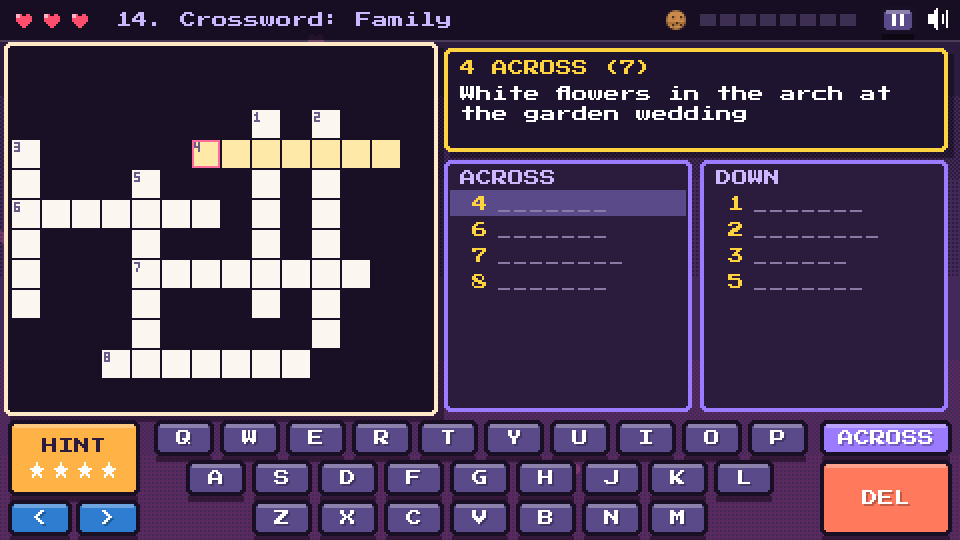
Catch the letters asks children to catch the right letters in the right order to spell a word. The family crossword uses clues about their own family, so reading the clue is half the fun. Sudoku builds the logical thinking that helps with all sorts of problem solving.
How much is enough?
Little and often works better than long sessions. A chapter or two is a good amount, and each one is a natural place to stop. When they're done, the screen-free games further down this page keep the thinking going.
Played together
Played together, talked about after
Games are better shared. Sit alongside for a chapter, cheer the right answers and ask how they worked out the tricky ones.
Explaining their thinking out loud is one of the best ways for children to learn.
Age by age
Maths at home, age by age
Everyday ways to practise, with or without a screen.
Ages 2 to 4
Counting everything
Count stairs, buttons and peas on the plate. Then count backwards.
Ages 5 to 7
Number bonds
Play "how many more to make ten?" with fingers, toys or biscuits.
Ages 8 to 10
Times tables
Practise one table a week in the car, then try the driving maths game.
Ages 11 to 12
Mental maths puzzles
Set a target number and see who can make it from four smaller numbers.
Try it on the go: games with no screen
Quick games for the car, the queue or the walk to school.
- Number plate maths: add up the numbers on the car in front. Older children can multiply them.
- I-spy spelling: whoever guesses the thing has to spell it, one letter each.
- Family crossword: write five clues about people in your family and swap them.
- Pocket sudoku: draw a four-by-four grid and fill it so every row and column has 1, 2, 3 and 4.
Little and often beats long and hard.
Questions about our games
What ages are the games for?
Best for ages 8 to 10 today, with easier and harder levels on the way.
Which skills do they practise?
Times tables and quick maths, spelling, reading and logic puzzles, each wrapped in a chapter of the story.
Can we try one first?
Yes. There's a free story game sample to play before you choose.
Are there adverts in the games?
No. There are no adverts anywhere, ever.
Will there be games for younger children?
Yes. The games are best for ages 8 to 10 today, and easier and harder levels are on the way.
Do the games follow the school curriculum?
They practise skills children meet at school, like times tables, spelling and reading. We don't claim to follow a particular scheme.
Our approach
More about how we make screen time count
-
They create first
Every Clever Cookie story starts with something your child drew, said or dreamed up.
-
They learn how stories work
When children shape their own story they practise the building blocks of reading and writing: characters, problems, beginnings, middles and endings.
-
Screen time with an end
Short stories, no adverts and nothing that plays on its own.
-
Off the screen too
Story trails in real woods and parks, adventure books that ask questions the next morning, and print packs that put the characters back on paper.
Ready, steady, think
Try a free story game sample and see which mini-game they like best.